Every time tension escalates in the Middle East, Australians end up paying more for petrol. The connection between events in Iran and the price at your local servo is real — but the mechanism is less straightforward than it looks, and the headlines often obscure more than they reveal.
What's Actually Happening
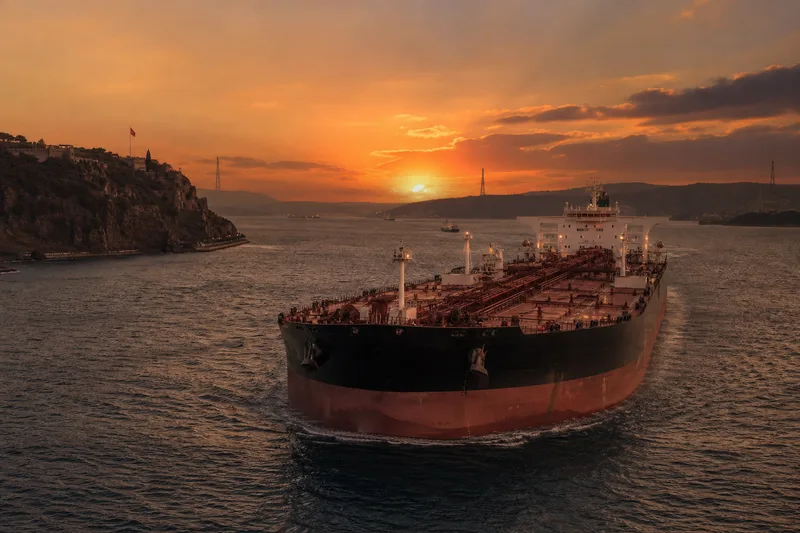
The current Iran crisis centres on the ongoing conflict with Israel and the associated risks to the Strait of Hormuz — the narrow waterway through which roughly 20% of the world's traded oil passes. Any credible threat to shipping through the Strait moves oil markets, because traders price in the risk of supply disruption even before any disruption actually occurs.
Oil markets in mid-2026 have been responding to a combination of factors: direct conflict risk, sanctions enforcement concerns and the broader uncertainty around US-Iran nuclear negotiations. The Brent crude benchmark has been trading between US$85 and US$105 per barrel since late 2025, well above the US$70–80 range that was the baseline in 2023.
How It Reaches the Servo
Australia imports most of its refined petrol from Singapore and South Korea. The price Australians pay reflects: the Singapore Mogas 95 benchmark price (which tracks global crude), the Australian dollar exchange rate, local refinery and distribution margins, and federal and state fuel taxes. Of these, the first two are directly affected by global events — and the Australian dollar tends to fall when global risk sentiment rises, which compounds the impact.
The typical delay between a crude oil price movement and a change at the bowser is two to four weeks, depending on the weekly pricing cycle in your city. Sydney and Melbourne both operate on weekly cycles, meaning a sustained crude price spike will show up at the pump within a month.
The Realistic Outlook
Petrol price forecasters are cautious about predicting a sustained spike. The global oil market has significant spare capacity — primarily from OPEC+ producers, particularly Saudi Arabia — that can be deployed to offset supply disruptions. The Saudis have demonstrated in previous crises that they have both the capacity and the political incentive to prevent oil prices from climbing so high they accelerate the global energy transition.
A moderate scenario sees Australian petrol prices remaining elevated in the $1.90–$2.20 per litre range for the next six to twelve months. A severe scenario — actual Strait of Hormuz disruption — could push prices briefly above $2.50. A de-escalation scenario, which is still plausible, could see prices fall back towards $1.70.